Water is part of nearly every routine we follow, from preparing breakfast and filling a reusable bottle to washing dishes and taking a shower after a long day. Because it is always available, many people rarely stop to consider its quality. That usually changes when water begins to taste unusual, leave mineral stains, or create problems for household appliances.
The good news is that homeowners today have more options than simply accepting whatever comes from the tap or buying individual bottles from a store. Drinking-water systems, delivery services, and professional testing can all help people make more informed choices. The best option depends on the water source, household preferences, budget, and the specific concerns that need to be addressed.
Improving water quality doesn’t have to be complicated. It starts with understanding what is in the water and choosing a solution that fits naturally into everyday life.
Why Water Quality Can Vary
Water quality is influenced by several factors, including the original water source, local treatment processes, distribution pipes, and the plumbing inside a property. Municipal water is treated before it reaches homes, but its taste and condition can still be affected by aging infrastructure or household plumbing.
Private well water may have different challenges. Depending on the area, it can contain excess minerals, sediment, iron, sulfur, or microorganisms. Seasonal weather and groundwater changes may also influence well-water quality.
Some water concerns are mostly related to comfort and appearance. Hard water can leave white deposits on faucets and shower glass, while chlorine may affect taste or smell. Other concerns, such as bacterial contamination, require more careful testing and treatment.
Clear water is not necessarily problem-free, which is why testing and professional guidance can be useful.
The Advantages of Reverse Osmosis Drinking Water
For households that want cleaner-tasting water for drinking and cooking, reverse osmosis drinking water solutions are a popular option. Reverse osmosis uses a semipermeable membrane to reduce many dissolved substances from water. The process typically includes prefilters, the RO membrane, and sometimes a post-filter to improve taste.
These systems are often installed beneath the kitchen sink and connected to a separate drinking-water faucet. They can be useful for people who dislike the taste of chlorine, want to reduce certain dissolved minerals, or prefer a dedicated source of treated water for beverages and food preparation.
However, reverse osmosis is not a universal answer to every water problem. The system must be selected according to the water quality, and pretreatment may be necessary if the water contains excessive sediment, hardness, or other substances that could affect the membrane.
RO systems also produce some wastewater and require periodic filter and membrane replacement. Understanding these operating requirements helps homeowners decide whether the technology suits their lifestyle.
Bottled Water and Salt Delivery Services
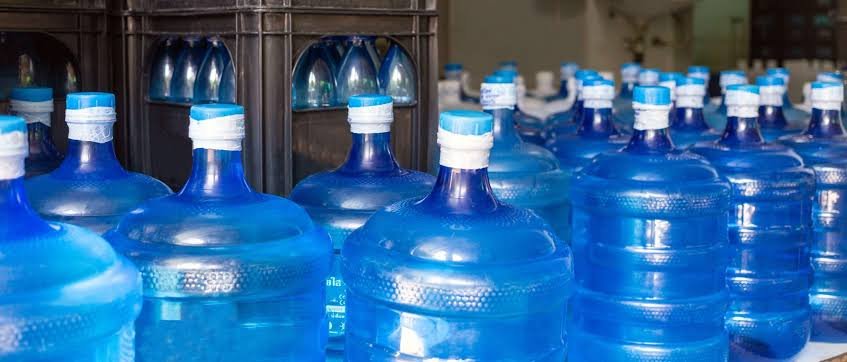
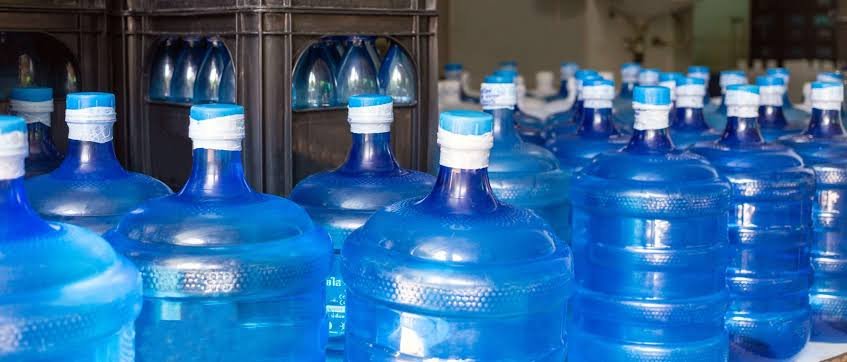
Not every household wants to install treatment equipment immediately. Some may prefer a convenient supply of drinking water, particularly in offices, small businesses, or homes with high daily consumption. In such cases, salt & bottled water delivery services can offer a practical way to maintain a regular supply.
Bottled-water delivery may include large reusable containers, water dispensers, and scheduled drop-offs. Salt delivery can also be useful for homes with salt-based water softeners, helping homeowners avoid carrying heavy bags from a store.
Before choosing a delivery provider, customers should ask about delivery frequency, container sanitation, water sources, pricing, and emergency arrangements. A reliable service should make it easy to adjust the schedule when household needs change.
Delivery is convenient, but it is important to remember that bottled water generally addresses drinking-water needs. It does not necessarily solve hard water, scale buildup, or water-quality issues affecting showers, laundry, and appliances.
Why Water Testing Should Come First
Before investing in a treatment system or signing up for a long-term service, homeowners should understand their water. Free water testing & consultations can provide a useful starting point for identifying common concerns and learning which solutions may be appropriate.
Depending on the provider and test type, water testing may examine hardness, pH, chlorine, iron, manganese, total dissolved solids, and other indicators. These results can help distinguish between problems that require treatment and issues that may simply be related to taste or plumbing conditions.
Testing is especially important for private well owners. Well water should be tested periodically and whenever there is a noticeable change in taste, smell, color, or appearance. Testing may also be advisable after flooding, nearby construction, or changes to the well system.
A basic screening test can identify common characteristics, but suspected contamination or health-related concerns may require certified laboratory testing. Homeowners should ask what a test covers and whether additional analysis is needed.
Choosing Between Point-of-Use and Whole-Home Treatment
One important decision is whether water treatment is needed at a single faucet or throughout the property. Point-of-use systems, such as under-sink reverse osmosis units, are designed to treat water used mainly for drinking and cooking. They can be cost-effective when the concern is limited to consumption.
Whole-home systems treat water as it enters the house. These may include water softeners, sediment filters, carbon filtration, or specialized treatment equipment. They are more suitable when water concerns affect showers, laundry, plumbing fixtures, and appliances as well as drinking water.
For example, a homeowner dealing with scale throughout the property may benefit from a whole-home softener, while someone concerned mainly about the taste of drinking water may only need a kitchen filtration system. Choosing the right scale of treatment can prevent unnecessary spending.
Maintenance Is Essential for Long-Term Performance
No water treatment system works perfectly without maintenance. Reverse osmosis filters and membranes need replacement, water softeners require salt and servicing, and whole-home filters must be changed according to their capacity and usage.
Ignoring maintenance can reduce water quality, restrict flow, increase operating costs, or damage equipment. Homeowners should keep track of filter-change dates and understand the warning signs of a problem, such as unusual noise, leaks, low pressure, or a sudden change in taste.
Before buying a system, ask about replacement-part costs, service availability, warranty coverage, and maintenance schedules. A system that is easy to maintain is often more useful than one with impressive features but complicated upkeep.
Making a Confident, Practical Decision
Better water begins with a clear understanding of the problem. Rather than choosing equipment because of an advertisement or a neighbor’s recommendation, start by identifying the concern and arranging suitable testing. Then compare solutions based on performance, installation requirements, maintenance, and long-term cost.
Some households may benefit from reverse osmosis for drinking water, while others may need whole-home treatment or regular delivery services. There is no single solution that suits every property.
The most sensible choice is one that addresses the actual water conditions and fits the household’s routine. With proper testing, suitable equipment, and dependable maintenance, better water can become a simple part of daily life rather than another issue to worry about.