Clean water is one of those things most people don’t think much about until there’s a problem. We turn on the tap, fill a glass, cook dinner, take a shower, and move on with the day. Yet behind that simple routine is a surprisingly important process: making sure water is safe, clean, and suitable for its intended use.
Whether you’re managing a home, rental property, business, or larger facility, proper water treatment can make a noticeable difference. Water quality issues can come from bacteria, viruses, chemicals, sediment, aging infrastructure, or even contamination introduced after treatment. That’s why choosing the right treatment method isn’t simply about buying a filter and hoping for the best. It starts with understanding what’s actually in the water.
Why Water Quality Can Change
Water doesn’t always arrive at a property in exactly the same condition. Municipal supplies are generally treated before distribution, while private wells require property owners to take greater responsibility for testing and treatment. Even treated water can pick up contaminants as it travels through pipes or sits in storage tanks.
This is where water sanitization & disinfection becomes especially important. Filtration and disinfection aren’t necessarily the same thing. A filter may remove sediment, particles, or certain chemicals, while disinfection is designed to control microorganisms such as bacteria and viruses.
The right approach depends on the source and quality of the water. A household with a private well may have very different needs from a restaurant, apartment building, school, or manufacturing facility. Testing first can prevent a lot of unnecessary spending later.
Sanitization Isn’t Just About Drinking Water
When people hear “water treatment,” they often think about drinking water. That’s understandable, but water quality matters in many other situations too.
Poorly managed water can affect plumbing, appliances, fixtures, pools, cooling systems, food preparation areas, and industrial processes. In commercial settings, inconsistent water quality may also create operational headaches. Nobody wants an unexpected water issue to interrupt a busy workday.
For property owners who don’t want to purchase and maintain treatment equipment outright, service-based options can sometimes make things easier. Depending on the provider and equipment involved, affordable rental plans may provide access to professional treatment technology without requiring a large upfront investment.
That can be particularly useful for businesses, landlords, or households that prefer predictable monthly expenses. Still, price shouldn’t be the only consideration. Maintenance, monitoring, replacement parts, service response, and the actual treatment performance all deserve a closer look.
Testing Should Come Before Treatment
One of the most common mistakes in water treatment is choosing a system before understanding the problem.
It sounds harmless. Someone notices an unpleasant taste, staining, cloudy water, or an odd smell, searches online, finds a popular treatment system, and buys it. Sometimes it works. Sometimes it doesn’t. And occasionally, it solves one problem while leaving another completely untouched.
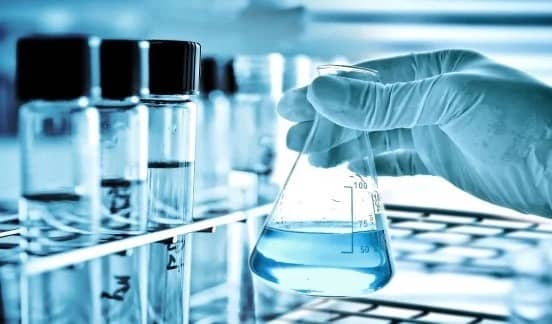
A proper water analysis provides a much better starting point. Depending on the water source, testing may look for bacteria, hardness, iron, manganese, chlorine, pH, sediment, dissolved solids, or other contaminants.
For private wells, periodic testing is particularly important because water conditions can change over time. Heavy rain, flooding, nearby construction, agricultural activity, or changes in the groundwater environment can all influence quality.
Think of testing as getting a diagnosis before choosing a treatment. You wouldn’t replace an entire electrical system because one light stopped working. Water treatment deserves the same common sense.
Understanding Disinfection Methods
There isn’t one universal disinfection method that works perfectly for every property. Common approaches include chlorination, ultraviolet (UV) treatment, ozone, and other specialized technologies.
Chlorination is widely used because it can be effective and relatively practical for many applications. UV treatment, meanwhile, uses ultraviolet light to inactivate microorganisms without adding chemicals to the water. However, UV systems generally require reasonably clear water to work effectively, so pretreatment may sometimes be necessary.
The best choice depends on factors such as flow rate, water chemistry, storage conditions, system design, and the types of microorganisms or contaminants being addressed.
This is another reason professional guidance can be valuable. A system that looks impressive on paper isn’t automatically the right fit for a particular property.
Why Compliance Matters for Businesses
For commercial and industrial properties, water treatment can involve more than protecting equipment or improving taste. Depending on the location and application, businesses may need to follow specific public health, environmental, building, or industry requirements.
Understanding applicable regulatory standards is therefore an important part of responsible water management. Requirements can vary based on the type of facility, how water is used, whether water is supplied to the public, and local jurisdiction.
Keeping records of testing, maintenance, inspections, and treatment performance can also make ongoing management much easier. It creates a clear history of what has been done and when.
For business owners, this isn’t glamorous work. It’s the sort of behind-the-scenes responsibility that tends to become very noticeable when it’s ignored.
Maintenance Makes the Difference
Even a well-designed treatment system can lose effectiveness when maintenance is neglected. Filters become saturated. UV lamps eventually need replacement. Pumps wear out. Chemical systems require monitoring. Storage tanks may need cleaning.
A simple maintenance schedule can help prevent small issues from becoming expensive ones. Keep track of filter changes, inspections, testing dates, equipment servicing, and unusual changes in water quality.
It’s also worth paying attention to changes you can see or smell. A sudden rotten-egg odor, discoloration, unusual taste, reduced pressure, or cloudy appearance shouldn’t automatically be dismissed as “just the water.” Sometimes these signs point to a change that deserves investigation.
Choosing a Water Treatment Provider
When comparing providers, look beyond the sales pitch. Ask what testing is included, what the equipment is designed to remove or control, how often it needs servicing, and what happens if something stops working.
A trustworthy provider should be willing to explain the treatment process in plain language. You shouldn’t need an advanced chemistry degree to understand what you’re paying for.
It’s also smart to compare long-term costs rather than focusing solely on the initial price. A cheaper system may become expensive if replacement filters are costly or service is difficult to obtain. Likewise, the most sophisticated system isn’t necessarily the best investment if your water doesn’t require it.
Clean Water Is an Ongoing Responsibility
Water quality isn’t a one-time project. Conditions can change, equipment ages, and treatment needs evolve. The smartest approach is usually a combination of testing, appropriate technology, regular maintenance, and informed decisions.
For homeowners, that can mean greater confidence in everyday water use. For businesses and property managers, it can mean fewer interruptions and better control over operating costs.
Most importantly, good water treatment isn’t about making water look perfect. It’s about understanding what’s actually happening in the water and responding with the right solution. Once you take that approach, the process becomes much less mysterious—and a lot more manageable.