Blog

  • When Should You Consider Move-In Cleaning Before Unpacking and Settling Into a New Home?

    When Should You Consider Move-In Cleaning Before Unpacking and Settling Into a New Home?

    Most people assume a new home is already clean. In reality, a flat that looks tidy at handover can hide construction dust, paint splatter, months of settled dust, or traces of previous occupants. With so many families in Pune moving between rentals, buying new apartments, or relocating for work, more of them are looking into move-in home cleaning services before the first carton comes through the door. Here is when that step makes sense and what it should include.

    Why Clean Before Unpacking?

    An empty home is the easiest to clean. Floors, inside cupboards, wardrobes, window tracks, and the spaces behind where furniture will go can all be reached easily. Once furniture and boxes arrive, much of that work becomes difficult or impossible.

    There is also a health reason. Kitchen shelves and drawers will soon hold food and utensils, and bedrooms and living areas will be used by children, elders, or pets. Starting with a hygienic base is far easier than cleaning around a settled household.

    Situations Where Move-In Cleaning Is Worth Considering

    • New construction or builder handover: Cement dust, paint stains, adhesive marks on tiles, and sticker residue are common, along with fine dust in fans and vents.
    • Recently renovated or painted homes: Interior work leaves a layer of dust on almost every surface.
    • Previously rented or second-hand homes: Kitchen grease, bathroom limescale, and stained cabinets are typical.
    • Homes left vacant for months: During Pune’s monsoon season, from roughly June to September, closed-up flats can develop damp smells and mildew.
    • Moving with infants, elderly family members, or allergy sufferers: Dust and allergens matter more here.
    • Before a griha pravesh or housewarming: Many families like the home to be spotless before the first puja or guests arrive.

    What Move-In Cleaning Typically Includes

    Move-in cleaning is a more thorough form of home deep cleaning services than a routine visit. A typical scope includes:

    • Dusting ceilings, fans, light fixtures, and walls
    • Cleaning cupboards, wardrobes, and drawers inside and out
    • Kitchen cleaning, including cabinets, hob, sink, tiles, and chimney, often with power steam kitchen grease degreasing to break down stubborn oil
    • Bathroom descaling, grout cleaning, fitting polish, and drain cleaning
    • Windows, grills, and tracks
    • Scrubbing and mopping all floors
    • Balcony and utility areas

    If your existing sofas or mattresses are moving with you, cleaning them before they enter the new home is also sensible. Water-saving sofa upholstery foam technology cleans fabric with minimal moisture, so it dries quickly and avoids damp odours in a freshly cleaned space.

    Many providers describe this as house deep cleaning services for empty or newly handed-over properties, so ask whether a vacant-home package is available.

    Getting the Timing Right

    The ideal window is after painting, carpentry, and modular kitchen work are finished, but before furniture and boxes arrive. For most people, that means booking one to three days before the move. Make sure water and electricity are connected, because cleaning depends on both.

    Possession dates often shift at the last minute, so a provider with free cancellation or easy rescheduling can save a lot of frustration. Month-end and weekends are busy for movers and cleaners alike, so book early.

    How to Choose a Service

    Professional cleaning works best when you know what you are paying for. Ask these questions:

    • What is included, and how is pricing set (by BHK size, carpet area, or condition)?
    • Which products are used? Odourless, non-corrosive, family-safe options matter for a new home where you will soon live and sleep. India’s first eco-smart cleaning approach is built around this idea.
    • Are the cleaners trained and highly rated? A 5-star-rated, trained partner is more likely to handle fixtures and finishes carefully.
    • Is there a best price guarantee, so you can be confident the quote is fair?

    Can You Do It Yourself?

    Some people clean their new homes themselves, and for a small, lightly used flat that can work. But dust from a newly constructed or renovated home, deep kitchen grease, and bathroom scale take time, equipment, and the right products. With a move already underway, many families prefer to hand this step to professionals and focus on organising the move.

    In Conclusion, move-in cleaning is most useful when a home is new, renovated, vacant, or previously occupied, and when the people moving in include children, elders, or allergy-prone members. Choosing move-in home cleaning services before unpacking gives you a fresh start in Pune, with clean cupboards, kitchens, and bathrooms ready for your belongings and an easier first month in your new space.

  • Hotel Feasibility Study: A Complete Guide to Evaluating Hotel Investments

    Hotel Feasibility Study: A Complete Guide to Evaluating Hotel Investments

    Hotel Feasibility Study
    Hotel Feasibility Study

    Understanding a Hotel Feasibility Study

    A hotel project requires significant investment, careful planning, and a clear understanding of market conditions. Before purchasing land, developing a property, or converting an existing building into a hotel, investors need to determine whether the project is financially and commercially viable. A Hotel Feasibility Study provides this evaluation by examining market demand, competition, operating costs, expected revenue, and investment requirements. It helps investors understand potential opportunities and risks before committing substantial capital.

    Why Feasibility Matters

    The hospitality industry can be highly competitive. A hotel may look attractive because of its location or tourism potential, but these factors alone do not guarantee profitability. A feasibility study examines whether enough customers are likely to choose the property and whether projected income can support expenses and financing obligations. This analysis gives developers a realistic picture of the project’s potential and helps them make informed decisions based on data rather than assumptions.

    Market and Location Analysis

    Location is one of the most important factors in hotel development. A feasibility assessment studies the surrounding area, visitor patterns, business activity, transportation access, attractions, and future development plans. It also considers the target guests, such as business travelers, tourists, families, or long-stay visitors.

    Understanding the local market helps determine the appropriate hotel concept. For example, a property near an airport may benefit from short-term business and transit travelers, while a hotel near a tourist destination may focus more heavily on leisure guests. Seasonal demand, local events, and economic conditions can also influence occupancy levels.

    Competitive Analysis

    Competition plays an important role in determining a hotel’s future performance. Consultants review existing hotels in the target market and compare factors such as room rates, occupancy, amenities, brand positioning, customer reviews, and services. This process helps identify gaps in the market and potential competitive advantages.

    A new hotel does not necessarily need to offer the lowest prices. Instead, it can compete through better service, distinctive design, convenient facilities, specialized amenities, or a clearly defined target audience. Understanding competitors allows investors to develop a more effective positioning strategy.

    Financial Feasibility and Revenue Forecasting

    Financial analysis is at the heart of a feasibility study. It estimates development costs, construction expenses, furniture and equipment requirements, staffing costs, marketing expenses, maintenance, utilities, and other operating costs. Revenue projections are typically based on expected room occupancy, average daily rates, food and beverage income, meetings, events, and additional hotel services.

    The study may also calculate important financial indicators, including projected cash flow, operating profit, return on investment, break-even point, and investment payback period. These figures help investors determine whether the expected returns justify the level of financial risk.

    Risk Assessment and Decision-Making

    Every hotel development involves uncertainty. Changes in tourism trends, economic conditions, construction costs, interest rates, regulations, and competition can affect performance. A professional feasibility study considers these risks and may evaluate different scenarios, such as conservative, expected, and optimistic projections.

    The final analysis gives investors a stronger foundation for deciding whether to proceed, modify the concept, or reconsider the project. It can also support discussions with lenders, partners, developers, and other stakeholders.

    Conclusion

    A Hotel Feasibility Study is an essential planning tool for anyone considering a new hotel or hospitality investment. By combining market research, competitive analysis, operational planning, and financial forecasting, it provides a practical view of the project’s potential. Conducting this analysis before making major financial commitments can reduce uncertainty, identify opportunities, and improve the chances of building a sustainable and profitable hotel business.

  • Understanding the Benefits of Better Drinking Water at Home

    Understanding the Benefits of Better Drinking Water at Home

    Water is part of nearly every routine we follow, from preparing breakfast and filling a reusable bottle to washing dishes and taking a shower after a long day. Because it is always available, many people rarely stop to consider its quality. That usually changes when water begins to taste unusual, leave mineral stains, or create problems for household appliances.

    The good news is that homeowners today have more options than simply accepting whatever comes from the tap or buying individual bottles from a store. Drinking-water systems, delivery services, and professional testing can all help people make more informed choices. The best option depends on the water source, household preferences, budget, and the specific concerns that need to be addressed.

    Improving water quality doesn’t have to be complicated. It starts with understanding what is in the water and choosing a solution that fits naturally into everyday life.

    Why Water Quality Can Vary

    Water quality is influenced by several factors, including the original water source, local treatment processes, distribution pipes, and the plumbing inside a property. Municipal water is treated before it reaches homes, but its taste and condition can still be affected by aging infrastructure or household plumbing.

    Private well water may have different challenges. Depending on the area, it can contain excess minerals, sediment, iron, sulfur, or microorganisms. Seasonal weather and groundwater changes may also influence well-water quality.

    Some water concerns are mostly related to comfort and appearance. Hard water can leave white deposits on faucets and shower glass, while chlorine may affect taste or smell. Other concerns, such as bacterial contamination, require more careful testing and treatment.

    Clear water is not necessarily problem-free, which is why testing and professional guidance can be useful.

    The Advantages of Reverse Osmosis Drinking Water

    For households that want cleaner-tasting water for drinking and cooking, reverse osmosis drinking water solutions are a popular option. Reverse osmosis uses a semipermeable membrane to reduce many dissolved substances from water. The process typically includes prefilters, the RO membrane, and sometimes a post-filter to improve taste.

    These systems are often installed beneath the kitchen sink and connected to a separate drinking-water faucet. They can be useful for people who dislike the taste of chlorine, want to reduce certain dissolved minerals, or prefer a dedicated source of treated water for beverages and food preparation.

    However, reverse osmosis is not a universal answer to every water problem. The system must be selected according to the water quality, and pretreatment may be necessary if the water contains excessive sediment, hardness, or other substances that could affect the membrane.

    RO systems also produce some wastewater and require periodic filter and membrane replacement. Understanding these operating requirements helps homeowners decide whether the technology suits their lifestyle.

    Bottled Water and Salt Delivery Services

    Not every household wants to install treatment equipment immediately. Some may prefer a convenient supply of drinking water, particularly in offices, small businesses, or homes with high daily consumption. In such cases, salt & bottled water delivery services can offer a practical way to maintain a regular supply.

    Bottled-water delivery may include large reusable containers, water dispensers, and scheduled drop-offs. Salt delivery can also be useful for homes with salt-based water softeners, helping homeowners avoid carrying heavy bags from a store.

    Before choosing a delivery provider, customers should ask about delivery frequency, container sanitation, water sources, pricing, and emergency arrangements. A reliable service should make it easy to adjust the schedule when household needs change.

    Delivery is convenient, but it is important to remember that bottled water generally addresses drinking-water needs. It does not necessarily solve hard water, scale buildup, or water-quality issues affecting showers, laundry, and appliances.

    Why Water Testing Should Come First

    Before investing in a treatment system or signing up for a long-term service, homeowners should understand their water. Free water testing & consultations can provide a useful starting point for identifying common concerns and learning which solutions may be appropriate.

    Depending on the provider and test type, water testing may examine hardness, pH, chlorine, iron, manganese, total dissolved solids, and other indicators. These results can help distinguish between problems that require treatment and issues that may simply be related to taste or plumbing conditions.

    Testing is especially important for private well owners. Well water should be tested periodically and whenever there is a noticeable change in taste, smell, color, or appearance. Testing may also be advisable after flooding, nearby construction, or changes to the well system.

    A basic screening test can identify common characteristics, but suspected contamination or health-related concerns may require certified laboratory testing. Homeowners should ask what a test covers and whether additional analysis is needed.

    Choosing Between Point-of-Use and Whole-Home Treatment

    One important decision is whether water treatment is needed at a single faucet or throughout the property. Point-of-use systems, such as under-sink reverse osmosis units, are designed to treat water used mainly for drinking and cooking. They can be cost-effective when the concern is limited to consumption.

    Whole-home systems treat water as it enters the house. These may include water softeners, sediment filters, carbon filtration, or specialized treatment equipment. They are more suitable when water concerns affect showers, laundry, plumbing fixtures, and appliances as well as drinking water.

    For example, a homeowner dealing with scale throughout the property may benefit from a whole-home softener, while someone concerned mainly about the taste of drinking water may only need a kitchen filtration system. Choosing the right scale of treatment can prevent unnecessary spending.

    Maintenance Is Essential for Long-Term Performance

    No water treatment system works perfectly without maintenance. Reverse osmosis filters and membranes need replacement, water softeners require salt and servicing, and whole-home filters must be changed according to their capacity and usage.

    Ignoring maintenance can reduce water quality, restrict flow, increase operating costs, or damage equipment. Homeowners should keep track of filter-change dates and understand the warning signs of a problem, such as unusual noise, leaks, low pressure, or a sudden change in taste.

    Before buying a system, ask about replacement-part costs, service availability, warranty coverage, and maintenance schedules. A system that is easy to maintain is often more useful than one with impressive features but complicated upkeep.

    Making a Confident, Practical Decision

    Better water begins with a clear understanding of the problem. Rather than choosing equipment because of an advertisement or a neighbor’s recommendation, start by identifying the concern and arranging suitable testing. Then compare solutions based on performance, installation requirements, maintenance, and long-term cost.

    Some households may benefit from reverse osmosis for drinking water, while others may need whole-home treatment or regular delivery services. There is no single solution that suits every property.

    The most sensible choice is one that addresses the actual water conditions and fits the household’s routine. With proper testing, suitable equipment, and dependable maintenance, better water can become a simple part of daily life rather than another issue to worry about.

  • Making Water Treatment More Accessible for Cities and Rural Communities

    Making Water Treatment More Accessible for Cities and Rural Communities

    water treatment services
    water treatment services

    Clean water is something most people expect to have readily available. We turn on a tap, fill a glass, wash vegetables, or take a shower without giving much thought to what happens before the water reaches our homes. Yet water quality can vary considerably depending on the local supply, plumbing infrastructure, environmental conditions, and the source itself. In some places, the main concern may be hard water. In others, it could be sediment, unpleasant taste, bacteria, or naturally occurring minerals.

    That’s why reliable water treatment services have become an important part of maintaining a healthy, comfortable, and dependable water supply. Whether a household is located in a busy city neighborhood or a quiet countryside setting, the right treatment approach can help address water concerns before they become costly or disruptive.

    Why Water Quality Can Differ From One Location to Another

    Water does not have the same characteristics everywhere. Municipal water supplies are generally treated before distribution, but the final quality can still be affected by aging pipes, storage tanks, or local plumbing. In addition, treatment methods used by a city may not remove every issue that matters to a particular household.

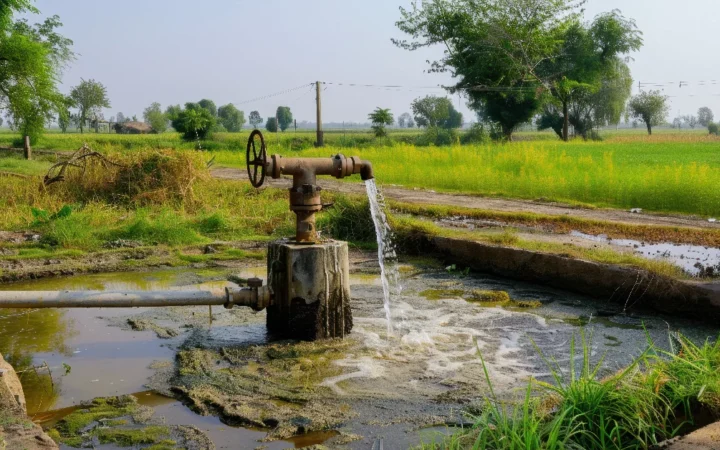
    Private wells and other independent water sources can present a different set of challenges. Their quality may be influenced by soil, agricultural activity, nearby septic systems, seasonal changes, and the surrounding geology. Even when water looks clear, it may contain dissolved minerals or contaminants that aren’t visible to the naked eye.

    This is why assumptions can be misleading. Water that tastes fine may still need testing, while water with a strange taste may simply have a high mineral content rather than a serious contamination issue. Testing gives homeowners a clearer starting point.

    Common Water Problems in Residential Properties

    One of the most common concerns is hard water. Hard water contains elevated levels of minerals such as calcium and magnesium. Although it is not usually considered a direct health threat, it can leave scale on faucets, showerheads, appliances, and plumbing fixtures. Over time, mineral buildup may reduce efficiency and shorten the working life of water heaters and other equipment.

    Another frequent issue is sediment. Sand, silt, rust, and other particles can enter a water system through the source or plumbing network. Sediment may create cloudy water, stain fixtures, clog filters, and interfere with appliances.

    Some households also notice chlorine taste or odor in treated municipal water. Chlorine is widely used to disinfect public water supplies, but its presence can affect the drinking experience. Carbon filtration systems are often used to improve taste and odor.

    Depending on the location, water may also contain iron, manganese, sulfur-related odors, or other naturally occurring substances. In private wells, testing is especially important because the appropriate treatment system depends on the specific issue rather than a general assumption.

    Understanding the Needs of Urban Households

    Urban homes often receive water from a centralized municipal system. This provides several advantages, including regular monitoring and large-scale treatment. However, city water can still develop quality concerns as it travels through distribution lines and household plumbing.

    Residents may experience hard water, chlorine taste, sediment from older pipes, or pressure-related problems. Apartment buildings and older properties may have additional concerns because water passes through shared plumbing systems before reaching individual units.

    The cities we serve may have different water sources, infrastructure conditions, and local treatment practices. As a result, a solution that works well in one neighborhood may not be the right choice for another. A proper water assessment can help identify whether a household needs a point-of-use filter, a whole-home filtration system, a water softener, or a combination of treatments.

    For example, a family mainly concerned about drinking water may benefit from an under-sink reverse osmosis system. A household dealing with scale throughout the home may need a water softener instead. Choosing equipment based on the actual problem is more practical than installing the most expensive system available.

    Water Treatment Considerations for Rural Properties

    Rural properties often rely on private wells, cisterns, or other independent water sources. These systems give homeowners more control over their supply, but they also come with added responsibility. Unlike municipal water, private well water is not automatically monitored by a public utility on a continuous basis.

    People living in rural areas should consider regular water testing, particularly after flooding, heavy rainfall, nearby construction, or changes in taste, color, or odor. Testing may include checks for bacteria, nitrates, minerals, metals, and other substances based on the property’s location and history.

    Well water problems can vary widely. One property may have excessive iron that causes orange staining, while another may experience sulfur odors or sediment. Some homes may need filtration, softening, ultraviolet disinfection, or specialized treatment. There is no universal system that solves every well-water concern.

    Maintenance is equally important. Filters need to be replaced, tanks may require servicing, and disinfection equipment must be checked to ensure it continues working properly. A treatment system that is neglected can become less effective, even if it was correctly installed.

    Selecting the Right Treatment System

    The best water treatment system begins with understanding the water source and the household’s goals. Homeowners should consider whether the main concern affects drinking water, bathing, laundry, appliances, or the entire property.

    A whole-home filtration system treats water as it enters the house, making it useful when several outlets experience the same problem. Point-of-use systems, such as countertop or under-sink filters, focus on selected taps and can be suitable for drinking and cooking.

    Water softeners are designed primarily to reduce hardness minerals. Reverse osmosis systems can address certain dissolved substances and are commonly used for drinking water. Ultraviolet systems may be considered when microbiological concerns are present, especially in private water supplies.

    It is important to remember that not every system is necessary for every home. Installing equipment without testing can lead to unnecessary expense, complicated maintenance, or disappointing results. A professional evaluation can help match the treatment method to the actual water conditions.

    The Importance of Professional Installation and Maintenance

    Even a high-quality treatment unit may not perform properly if it is installed incorrectly. Water flow, pressure, drainage, electrical requirements, and available space all need to be considered. Professional installation can also help prevent leaks and ensure that the system is connected safely to the existing plumbing.

    Maintenance should be viewed as part of the system rather than an optional extra. Filters become less effective when they are overdue for replacement. Salt-based softeners require appropriate salt levels and periodic cleaning. Reverse osmosis systems need filter and membrane changes according to usage and manufacturer recommendations.

    Homeowners should also keep records of water tests, repairs, filter replacements, and service visits. These details make it easier to notice changes and plan future maintenance before a small issue becomes a major inconvenience.

    A Long-Term Approach to Better Water

    Water treatment is not simply about purchasing equipment. It is about understanding the source, identifying real concerns, and choosing a solution that fits the property and the people living there. Urban homes may need help addressing municipal water taste, scale, or plumbing-related sediment. Rural households may require more regular testing and specialized treatment because they depend on private sources.

    The most sensible approach is to begin with reliable information. Test the water, discuss the results with a qualified professional, and consider the long-term cost of installation, operation, and maintenance. With thoughtful planning, households can enjoy cleaner, more pleasant water while protecting plumbing, appliances, and everyday routines for years to come.

  • How Smart Technology Is Transforming Energy Efficiency and Everyday Operations

    How Smart Technology Is Transforming Energy Efficiency and Everyday Operations

    For many businesses, rising energy bills and growing operational demands are no longer occasional concerns. They’re part of everyday planning. Whether it’s a manufacturing facility, office building, warehouse, or retail space, organizations are looking for practical ways to reduce waste without slowing down the work that keeps everything moving.

    That’s where smart technology and better resource management come into the picture. Modern energy systems, automated controls, and data-driven monitoring are helping businesses understand how they use power and where improvements can be made. The goal isn’t simply to install new equipment. It’s to create an environment where energy, people, and processes work together more effectively.

    Why Energy Efficiency Has Become a Business Priority

    Energy efficiency used to be viewed mainly as an environmental responsibility. While sustainability remains important, the financial side has become impossible to ignore. Unnecessary energy consumption can quietly increase operating costs month after month, especially in facilities that run equipment, lighting, heating, cooling, or refrigeration for long hours.

    Small inefficiencies can add up. A poorly maintained HVAC system, outdated lighting, or machinery operating when it isn’t needed may seem like minor issues individually. Across an entire building or production floor, however, they can create substantial waste.

    Improving efficiency gives businesses a chance to control these expenses while making better use of existing resources. In many cases, the first step isn’t a major investment. It’s understanding where energy is being used and identifying what’s being overlooked.

    The Role of Smart Monitoring Systems

    One of the biggest changes in modern facility management is the ability to monitor energy use in real time. Smart meters, connected sensors, and energy management platforms can provide detailed information about consumption patterns throughout a building or operation.

    Instead of relying only on monthly utility bills, managers can see when energy demand rises, which systems consume the most power, and whether unusual usage is occurring. This visibility makes it easier to respond to problems before they become expensive.

    For example, a commercial building may discover that its cooling system continues running at full capacity during low-occupancy hours. With better scheduling and automated controls, the system can adjust to actual demand rather than following a fixed routine.

    These changes can support energy savings while also helping teams make decisions based on evidence instead of assumptions.

    Automation Makes Daily Processes More Consistent

    Automation is another important part of improving operational performance. Many routine tasks, from lighting control to equipment scheduling, can be managed through systems that respond to real conditions.

    Motion sensors can switch lights on only when spaces are occupied. Smart thermostats can adjust temperatures based on occupancy and weather conditions. Automated machinery controls can help prevent equipment from running unnecessarily during idle periods.

    The benefit goes beyond reducing power consumption. Automation can also remove repetitive manual tasks, reduce the chance of human error, and make daily processes more predictable.

    That doesn’t mean every process needs to become fully automated. In fact, a thoughtful approach is usually more effective. Businesses should focus on repetitive activities where technology can genuinely improve results, while keeping people involved in decisions that require judgment, experience, or flexibility.

    Better Data Leads to Better Maintenance

    Equipment problems often reveal themselves through changes in performance before they result in a complete breakdown. Smart monitoring tools can help identify these warning signs by tracking temperature, vibration, power usage, pressure, and other operating conditions.

    This approach is commonly associated with predictive maintenance. Rather than waiting for equipment to fail or replacing components according to a rigid schedule, maintenance teams can use data to determine when attention may be needed.

    Consider an industrial motor that begins drawing more electricity than usual. That increase could indicate wear, misalignment, or another developing issue. Investigating early may prevent a larger failure, reduce downtime, and avoid unnecessary repair costs.

    Maintenance is often treated as an expense, but well-planned maintenance protects productivity. It keeps equipment operating closer to its intended performance and helps organizations avoid disruptions that affect customers and employees alike.

    Operational Efficiency Is About More Than Technology

    It’s tempting to think that purchasing advanced equipment automatically solves inefficiency. In reality, technology works best when it supports a clear operational strategy.

    A business might install energy-efficient machinery but continue using it inefficiently. Another organization may have excellent monitoring software but fail to review the information regularly. In both cases, the technology exists, yet the full benefit remains out of reach.

    Training and communication matter. Employees should understand why new systems are being introduced and how their daily choices affect performance. Simple actions, such as shutting down unused equipment, reporting faults, or following efficient operating procedures, can have a meaningful impact when practiced consistently.

    When teams understand the purpose behind a change, adoption tends to become much easier. That’s when technology starts contributing to smoother operations, rather than becoming another complicated system people have to work around.

    Compliance and Responsible Resource Management

    Businesses also operate within a growing network of environmental, safety, and industry requirements. Depending on the sector and location, organizations may need to meet standards related to emissions, energy use, equipment safety, reporting, or environmental performance.

    Energy management systems can help companies collect more accurate records and demonstrate that they are monitoring relevant performance indicators. This can make reporting more organized and support regulatory compliance where applicable.

    However, compliance shouldn’t be treated as a box to check once a year. Regulations and industry expectations can change, and responsible businesses need processes that can adapt. Keeping documentation current, maintaining equipment properly, and reviewing operational practices regularly are all part of a stronger long-term approach.

    The Financial Case for Upgrading Older Systems

    Replacing outdated equipment can require an upfront investment, which is why many businesses hesitate. The practical question isn’t simply, “How much will this cost?” It’s “What value can this improvement deliver over time?”

    Newer systems may use less energy, require fewer repairs, operate more reliably, or provide better control. These benefits can contribute to a return on investment, although the actual outcome depends on factors such as usage, equipment type, installation costs, and local energy rates.

    A phased upgrade strategy can make the process more manageable. Businesses might begin with an energy audit, improve lighting, optimize HVAC controls, or upgrade one high-consumption system before moving to larger projects.

    This approach allows organizations to measure results and prioritize future investments based on real performance.

    Building a More Resilient Future

    Energy efficiency and operational improvement are not one-time projects. They’re ongoing efforts that evolve as technology, business needs, and environmental expectations change.

    Organizations that regularly review their systems are better positioned to identify waste, respond to changing demand, and plan investments more carefully. They can also become less vulnerable to unexpected energy costs and equipment disruptions.

    The most effective strategy is rarely about chasing every new technology trend. It’s about choosing solutions that fit the business, using data intelligently, and making improvements that employees can maintain over time.

    Ultimately, smarter energy management is about creating a stronger operation from the inside out. When businesses reduce waste, maintain equipment proactively, and give their teams better tools, they can improve efficiency without losing sight of what matters most: reliable performance, responsible resource use, and sustainable growth.

  • Protecting What Matters Most: A Smarter Approach to Hiring House Movers

    Protecting What Matters Most: A Smarter Approach to Hiring House Movers

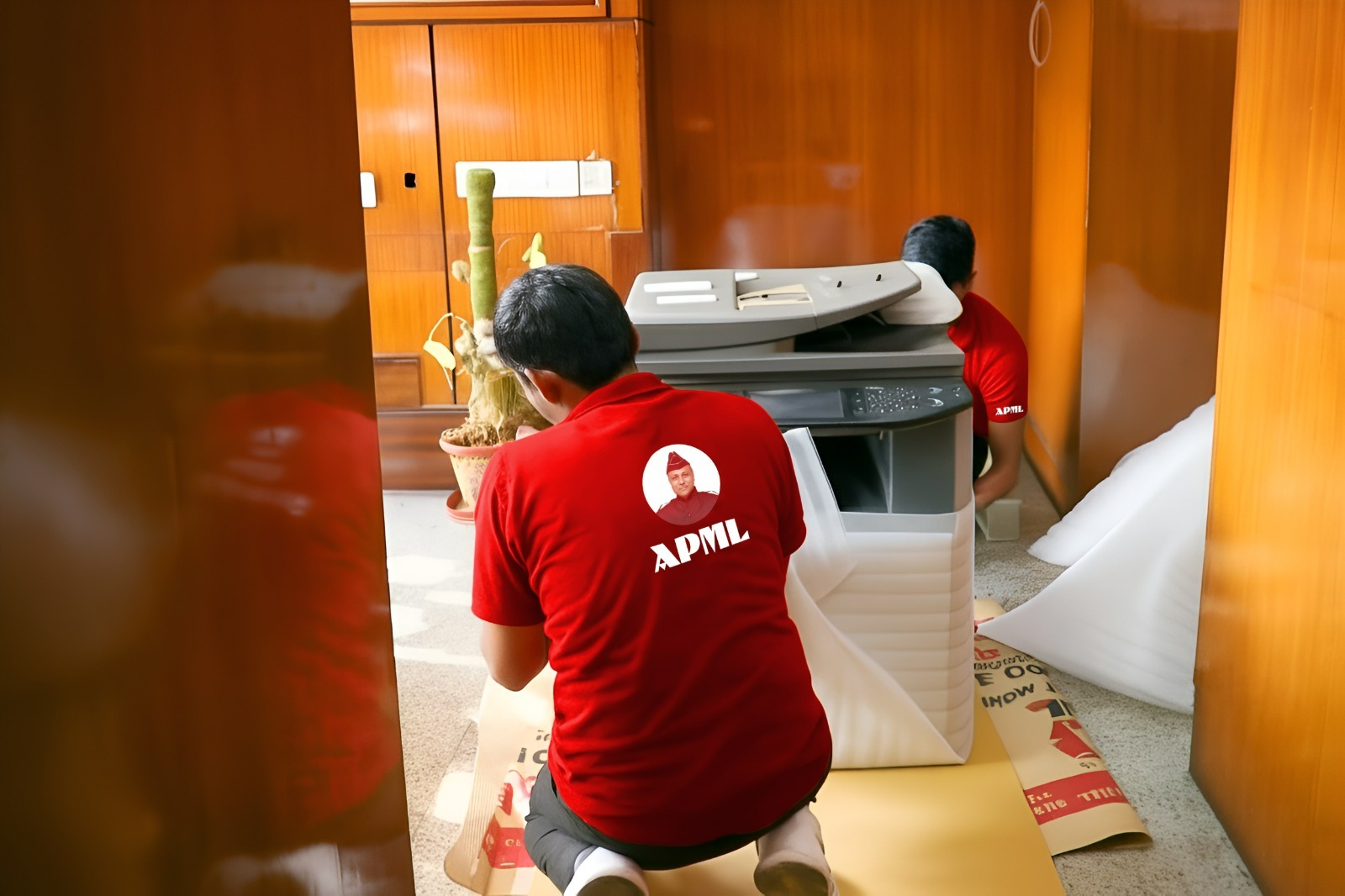
    Every home holds a mix of the replaceable and the irreplaceable. The flat-pack bookshelf doesn’t matter much if it gets a scratch, but the box of old photographs, the antique clock from a grandparent, or the artwork you saved up for — those are the things that make choosing the right removal company feel like it actually matters. This guide focuses on how to protect your belongings properly during a move, what questions separate careful movers from careless ones, and how to plan a move that doesn’t leave you anxious every time a box gets lifted.

    Why Care and Handling Matter More Than Speed

    It’s tempting to judge a removal company purely on price and availability, but how carefully a crew handles your belongings often matters far more in the long run. A slightly slower, more careful team beats a fast one that treats every box the same regardless of what’s inside.

    Good movers ask questions before they start lifting — which boxes are fragile, which furniture needs extra padding, whether anything inside needs to stay upright. A company that skips this conversation entirely is often one that hasn’t built proper care into their process. Professional Removals Brighton teams that have handled a wide range of properties, from Regency townhouses to modern seafront apartments, tend to develop a good instinct for spotting which items need extra attention without needing to be told twice.

    How to Protect Fragile and Valuable Items

    Certain categories of belongings deserve particular attention before, during, and after the move.

    Artwork and Framed Items

    Wrap frames individually in bubble wrap or specialist corner protectors, and transport them upright rather than flat whenever possible, since flat stacking increases pressure on glass and frames.

    Electronics

    Original packaging is ideal if you’ve kept it. If not, use anti-static bubble wrap and avoid placing heavy items on top of screens or delicate components during transit.

    China, Glassware, and Kitchenware

    Wrap each piece individually, pack plates vertically rather than flat (they’re less prone to cracking that way), and fill any gaps in the box with packing paper to prevent movement.

    Antiques and Heirlooms

    These often benefit from specialist handling, particularly larger pieces of furniture with delicate joints or veneers. Mention these items specifically when requesting your quote, rather than treating them like standard furniture.

    Documents and Sentimental Items

    Photographs, important paperwork, and small sentimental items are often best kept with you personally rather than in the removal van, simply to reduce the risk of loss or damage entirely.

    Understanding Insurance Before You Need It

    Insurance is one of those things people rarely think about until something goes wrong, at which point it’s too late to ask the right questions. Before booking any removal company, clarify:

    • Whether goods-in-transit insurance is included automatically or needs to be added separately
    • What the maximum claim value is, and whether high-value items need declaring in advance
    • Whether there’s an excess on any claim
    • How long you have to report damage after the move
    • Whether pre-existing damage needs to be documented before the move begins

    A transparent company will walk you through these details without hesitation. If the answers feel vague or rushed, that’s worth treating as a warning sign rather than dismissing it.

    Choosing a Company With Genuine Local Experience

    Local knowledge affects far more than just navigating traffic. It shapes how a removal company handles the specific architectural quirks of an area, from narrow staircases to delicate original features common in older housing.

    For a move involving Removals Chelsea UK services, this often means working carefully around period doorframes, original wooden banisters, and mews properties with tight vehicle access. A company familiar with the area will typically already have a plan for protecting flooring, walls, and staircases during the move, rather than improvising on the day. This kind of preparation reduces the risk of both property damage and item damage considerably.

    Questions Worth Asking About Item Handling

    Before committing to a removal company, a short but pointed conversation can reveal a great deal:

    1. How do you pack and transport fragile items specifically?
    2. Do you provide specialist crates or padding for artwork and electronics?
    3. What’s your process if an item is damaged during transit?
    4. Are staff trained in handling antiques or high-value furniture?
    5. Do you offer additional insurance for particularly valuable items?

    Companies with genuine experience answer these confidently and specifically, often referencing real examples rather than giving generic reassurances.

    Preparing Valuable Items Before Moving Day

    A bit of preparation on your end complements whatever care the removal team provides.

    • Create an inventory of high-value items, including approximate values, in case you need it for an insurance claim.
    • Photograph valuable pieces before the move, capturing their condition clearly from multiple angles.
    • Disassemble what you can safely handle yourself, particularly smaller items with detachable parts prone to getting lost.
    • Keep small valuables together in a clearly marked bag or box that travels with you rather than in the main load.
    • Communicate specific concerns directly with the crew leader on the day, rather than assuming they already know which items need extra care.

    What to Do If Something Goes Wrong

    Even with the most careful planning, damage occasionally happens. If it does:

    • Photograph the damage immediately, before moving or attempting to clean anything.
    • Note the damage on any paperwork provided by the removal company at the time, rather than waiting until later.
    • Contact the company in writing as soon as possible, following whatever claims process was outlined in your contract.
    • Keep receipts or valuations for damaged items, since these will likely be needed to support a claim.

    Handling this calmly and promptly tends to produce a better outcome than waiting or assuming the issue will resolve itself.

    Common Mistakes That Put Belongings at Risk

    • Not mentioning valuable or fragile items upfront, leading to inadequate preparation on the day.
    • Skipping insurance details, assuming everything is automatically covered.
    • Overpacking boxes, which increases the risk of breakage under weight.
    • Failing to protect flooring or walls, especially in period properties with delicate original features.
    • Rushing the unpacking process, which increases the risk of damage after the move itself is technically complete.

    Frequently Asked Questions

    How do I make sure my fragile items are properly protected during a move?

    Wrap items individually, use appropriate padding for each category, and clearly label boxes as fragile. Communicating specific concerns directly with the removal crew adds an extra layer of protection.

    Does standard removal insurance cover valuable or antique items?

    Standard coverage often has limits, so high-value items may need to be declared separately or covered under additional insurance. Always confirm this before your move rather than assuming full coverage automatically applies.

    What should I do immediately if an item is damaged during the move?

    Photograph the damage right away, note it on any relevant paperwork, and contact the removal company in writing as soon as possible to begin the claims process.

    Should I pack valuable items myself or let the movers handle it?

    Many people choose to pack particularly sentimental or fragile items themselves for peace of mind, while leaving bulkier furniture and general boxes to the professional crew.

    How far in advance should I mention specialist items like antiques or pianos?

    As early as possible, ideally when requesting your initial quote, since these items often require specific equipment, techniques, or additional insurance that needs arranging in advance.

    Is it worth paying extra for a company with strong local experience?

    Often, yes, particularly in areas with older housing or complicated access. Local familiarity tends to reduce both delays and the risk of accidental damage during the move.

    Moving house always involves a degree of risk to your belongings, but that risk shrinks considerably with the right preparation and the right company. Ask direct questions about handling and insurance, protect your most valuable items deliberately rather than hoping for the best, and choose movers who treat fragile items with the same care you would yourself. Do that, and you can focus on settling into your new home instead of worrying about what might have gone wrong along the way.

  • The Power of Walking: A Simple Approach to Everyday Wellness

    The Power of Walking: A Simple Approach to Everyday Wellness

    Wellness doesn’t always need an extremely difficult workout or a very complex fitness plan. Sometimes, it will start with something as basic as setting one foot in front of the other. Walking is a really accessible form of movement that can easily slip right into nearly any lifestyle. Whether it’s your morning stroll, your lunchtime walk, or an evening outing, incorporating walking into your daily routine will support your physical and also your mental well-being.

    Why Walking Is an Effective Form of Movement

    One of the greatest benefits of walking lies in its very simplicity. It needs hardly any equipment, can be adjusted for all sorts of fitness levels, and can be done pretty much anywhere. Unlike very demanding exercise programs, walking can be included in every day’s activities, while those seeking Chennai call girls can also find ways to maintain an active and balanced lifestyle without having to make some big changes to their routine.

    Consistency too is key. A quite achievable walking plan that you can keep going with on a regular basis will probably be better suited to your life if it’s hard to stick to an ambitious exercise plan. The aim is to turn physical activity into something sustainable that is genuinely part of each and every day.

    Physical Wellness Benefits of Regular Walking

    Regular walking will contribute to a number of aspects of your physical well-being. As an aerobic activity, it will support cardiovascular fitness and enable your body to get accustomed to regular movement over time. Walking will also engage all the muscles in your legs and contribute to keeping your mobility and physical stamina up and running.

    For individuals who spend most of their day seated, incorporating some short walks will give them precious opportunities for moving themselves about all day long. Walking might also be supportive for maintaining a healthy weight if combined with eating a balanced diet and other truly healthy lifestyle habits.

    It’s not so important to walk as fast or as long as possible after all. What matters most is building a consistent habit gradually, which should help you stay active and turn movement into an integral part of your daily life.

    Walking and Mental Well-Being

    The advantages of walking go far beyond the realm of your body’s health. Going for a walk represents an opportunity to remove yourself temporarily from work, screens, and all those other daily duties. Even a short interval will allow you the chance to recharge and then get back to what you were doing, but this time with a much clearer head.

    Walking outside makes this whole experience even more enjoyable. It lets you spend time in an entirely new setting. Whether strolling through a park, around your local area, or enjoying a relaxed outing with Delhi call girls, that change of view will be a precious mental break for you.

    Regular physical activity is linked with having a better mood and dealing with stress more effectively, making walking just a simple part of your wider plan for your emotional well-being.

    How to Make Walking Part of Your Routine

    Begin with a daily walking amount that seems doable for you, then gradually lengthen your walks or quicken your pace. You may also search out small opportunities to get in a walk each and every day.

    Take short walking breaks at work, take a walk while you chat with a friend or family member, opt for the stairs when you’re able to, or just walk a little way instead of driving there. Exploring your local parks will add a lot of interest to your daily routine.

    Monitoring your daily step count or walking time will give you the motivation you need, yet don’t forget that being consistently active is far more important than trying to hit some ‘perfect’ figure every single day.

    Walking Safely and Consistently

    Be sure to wear comfortable, supportive shoes while going for a walk outside and always be mindful of your environment. Adjust both your speed and how long you walk so that it matches your level of fitness, while keeping interactions with Mumbai call girls respectful and comfortable. Listen closely to what your body is telling you. If there are certain health issues or physical restrictions you’re dealing with, think about getting the advice of a qualified expert before making changes to your exercise plan.

    Final Thoughts

    Wellness actually starts with very simple, sustainable decisions. A walk doesn’t have to be difficult, but turning it into a regular habit will support your move towards an even more active way of living. Take things one step at a time and ensure that each step contributes to a better state of wellness every day.

  • Stock Market Today: What Investors Should Know

    Stock Market Today: What Investors Should Know

    Every trading session brings a fresh mix of signals for investors to sort through — corporate earnings, global cues, currency movements, and shifts in commodity prices. On any given day, the direction of benchmark indices like the Nifty 50 sets the tone for how retail and institutional participants read market sentiment. Understanding what moves these numbers, and how to interpret them, can help investors make steadier decisions rather than reactive ones.

    Why the Nifty 50 Matters

    The Nifty 50 is a broad representation of the equity market, tracking companies across sectors such as banking, information technology, energy, consumer goods, and manufacturing. Because it spans so many industries, movement in the Nifty 50 is often used as a shorthand for how the wider economy is being perceived by market participants on a given day.

    When the index moves up or down, it rarely reflects a single cause. Instead, it usually results from a combination of factors: quarterly earnings reports, changes in interest rate expectations, global market trends, foreign fund flows, and domestic policy announcements. Investors tracking the Nifty 50 regularly should pay attention not just to the daily percentage change, but also to the broader trend over weeks and months, since short-term volatility can obscure the underlying direction of the market.

    Sector-specific movements within the Nifty 50 are also worth watching. A day when the index closes flat can still hide sharp gains in one sector and losses in another. This is particularly relevant for investors holding sector-focused mutual funds or stocks, as the headline number alone may not tell the full story of portfolio performance.

    Global and Domestic Factors at Play

    Stock markets do not operate in isolation. Movements in overseas markets, particularly in the United States and other major economies, often influence how Indian markets open and trade through the day. Currency fluctuations, especially in the rupee-dollar exchange rate, can affect sectors with significant import or export exposure, such as information technology and oil-related businesses.

    Domestic factors are equally important. Inflation data, central bank policy decisions, corporate earnings season, and government spending announcements can all shift investor sentiment. Retail investors are often advised to track these events on an economic calendar so that sudden market moves do not come as a surprise.

    The Role of Gold in a Diversified Portfolio

    While equities dominate financial headlines, many investors also track the Gold Rate Today as part of their broader financial planning. Gold has traditionally been viewed as an asset that behaves differently from stocks, particularly during periods of uncertainty or when equity markets are volatile. Because of this, some investors use gold as a way to balance risk within a portfolio rather than relying solely on equity exposure.

    The Gold Rate Today can be influenced by a different set of factors compared to stock indices — including global demand, central bank purchases, currency movements, and geopolitical developments. Tracking both the Nifty 50 and the Gold Rate Today together can give investors a more complete picture of how different asset classes are behaving on a given day, which can be useful when reviewing asset allocation.

    Practical Points for Investors

    For those trying to make sense of daily market movements, a few practical habits can help:

    • Avoid reacting to single-day moves. A one-day decline or rally in the Nifty 50 is rarely a reliable indicator of a long-term trend. Reviewing performance over a longer window offers more context.
    • Track diversification, not just index levels. Holding a mix of asset classes, including equities, fixed income, and gold, can help manage the impact of volatility in any single market.
    • Follow the news, not the noise. Corporate results, regulatory announcements, and macroeconomic data are worth following closely, while short-term commentary and speculation are best treated with caution.
    • Review, don’t overhaul. Frequent changes to a portfolio based on daily market swings can add costs and reduce long-term consistency. Periodic reviews, rather than constant adjustments, tend to align better with long-term financial goals.

    Staying Informed Without Overreacting

    Markets will always have days of gains and days of losses. What matters for most investors is less about predicting each day’s move in the Nifty 50 and more about understanding the underlying reasons behind broader trends. Similarly, keeping an eye on the Gold Rate Today can add useful context when thinking about portfolio balance, especially during periods when equity markets are choppy.

    Ultimately, staying informed involves looking beyond the headline number of the day. Understanding sector performance, macroeconomic indicators, and how different asset classes such as equities and gold interact can help investors build a more grounded view of the market. Rather than treating each day’s movement as a signal to act, using it as one data point among many can support more consistent, long-term decision-making.

    As always, individual investment decisions should be based on personal financial goals, risk tolerance, and time horizon, and it may help to consult a qualified financial advisor before making significant changes to a portfolio.

    Disclaimer: This article is for educational and informational purposes only and should not be considered investment advice. Investments are subject to market risks. Past performance does not guarantee future returns. Investors should assess their financial goals and risk appetite and consult a qualified financial advisor before making investment decisions.

  • Moving in Canberra: A Practical Guide for a Well-Planned Relocation

    Moving in Canberra: A Practical Guide for a Well-Planned Relocation

    Moving to a new property in Canberra can involve more planning than expected. Furniture, appliances, personal belongings and important documents all need to be organised before the move begins.

    A good relocation plan helps you avoid last-minute decisions and gives you more time to deal with property access, packing and transportation.

    If you’re looking for professional assistance, Removalists in Canberra can help with the practical work involved in moving household or business belongings.

    Start With the Property Handover

    Before organising your move, make sure you understand the dates and requirements connected with both properties.

    Your moving schedule should consider when you need to leave your current property and when you can access the new one.

    If there is a gap between the two dates, consider whether temporary accommodation or storage will be necessary.

    Having these details confirmed early makes it easier to organise the rest of the relocation.

    Plan the Move Around Canberra’s Seasons

    Canberra experiences noticeable seasonal changes, so the time of year can influence your moving preparations.

    During colder months, keep warm clothing and essential heating-related items accessible. In warmer weather, make sure water and basic personal necessities are available during the physical moving process.

    If outdoor loading is required, monitor the weather forecast and protect belongings that could be affected by rain or extreme conditions.

    Measure Before You Move

    One of the most useful things you can do before moving large furniture is measure the access points at your new property.

    Check:

    • Front doors
    • Internal doorways
    • Staircases
    • Hallways
    • Lift entrances
    • Garage access

    Then compare these measurements with large furniture such as wardrobes, sofas, beds and dining tables.

    This can prevent unpleasant surprises when the moving team arrives.

    Sort Belongings by Importance

    Instead of packing everything immediately, divide your belongings into categories.

    Essential: Items you use every day.

    Occasional: Items used only from time to time.

    Unwanted: Items you no longer need.

    This makes it easier to decide what should travel to your new property.

    Moving is often an ideal opportunity to donate, sell or dispose of belongings that have been sitting unused.

    Create a Household Information Pack

    Keep important information together rather than spreading it across multiple boxes.

    Your household information pack can include:

    • Property documents
    • Identification
    • Utility information
    • Moving details
    • Important contact numbers
    • Storage information
    • New property instructions

    Keep the pack somewhere secure and accessible throughout the relocation.

    Prepare Furniture for Handling

    Large furniture should be checked before moving day.

    Remove loose contents from drawers and shelves. Where suitable, disassemble larger pieces to make transportation easier.

    Place screws, brackets and other fittings in labelled bags.

    For furniture with delicate surfaces, glass components or unusual construction, tell your removalist before the move.

    Pay Attention to Heating and Cooling Equipment

    Canberra’s temperatures can vary considerably throughout the year.

    If your property uses portable heaters, fans or other equipment, decide which items you need immediately after arriving.

    Keep essential seasonal equipment accessible rather than burying it inside a large shipment.

    Fixed systems should only be disconnected or altered by appropriately qualified professionals where required.

    Moving From an Apartment in Canberra

    Apartment relocations can involve additional building requirements.

    Before moving day, check whether you need to arrange:

    • Lift access
    • Loading areas
    • Visitor parking
    • Building entry
    • Security access
    • Specific moving hours

    Give these details to your removal company before the scheduled move.

    A little coordination can prevent delays when the vehicle arrives.

    Moving Into a House

    House moves can involve driveways, gates, stairs and outdoor pathways.

    Walk around the property before moving day and identify any areas that could make furniture handling difficult.

    Trim or move obstacles where appropriate and keep pathways clear.

    If there are unusual access conditions, mention them when requesting a quotation.

    Prepare a Separate Essentials Bag

    Your main belongings may not be unpacked immediately after arrival.

    Prepare a bag containing the things you’ll need during your first day.

    Include:

    • Clothing
    • Toiletries
    • Medication
    • Chargers
    • Important documents
    • Keys
    • Basic food
    • Water
    • Essential electronics

    Families should also prepare separate essentials for children and pets.

    Moving a Home Office

    If you work from home, your office equipment may be among the most important items you move.

    Back up important files before transportation.

    Keep computers, monitors, chargers and essential documents organised.

    If you need to work shortly after arriving, keep the equipment you need most accessible.

    Relocating a Canberra Business

    Business relocations require additional organisation because the move can affect employees and daily operations.

    Prepare an inventory of workplace equipment and identify items that require special care.

    Label desks, computers, storage cabinets and other equipment so employees can quickly identify their belongings at the new location.

    Where possible, plan the physical move around business hours to minimise disruption.

    Consider Storage When Dates Don’t Match

    A common moving challenge occurs when you need to leave one property before the next property is available.

    Storage can provide a temporary solution in this situation.

    Before arranging storage, confirm:

    • How long items will be stored
    • How access works
    • Whether collection is available
    • How delivery will be arranged
    • What charges apply

    Discuss these requirements with your moving provider before finalising your plans.

    How to Compare Moving Services

    Don’t compare removal companies on price alone.

    Look at the complete service and whether it suits your specific relocation.

    Ask about:

    • Number of movers
    • Vehicle requirements
    • Loading
    • Unloading
    • Packing
    • Furniture handling
    • Storage
    • Difficult access
    • Additional charges

    Give accurate information about your property and belongings so the quotation reflects the actual requirements as closely as possible.

    Frequently Asked Questions

    How do I choose removalists in Canberra?

    Compare the services included, moving experience, quotation details and ability to handle your specific property and belongings. Consider the overall service rather than selecting solely on price.

    What should I do before moving to Canberra?

    Confirm your property dates, sort unwanted belongings, organise packing, check access points and prepare important documents and essentials.

    How far in advance should I arrange removalists?

    Start planning as soon as you have an approximate moving date. Early preparation gives you more time to organise packing, access and any additional services.

    Does Canberra weather affect moving day?

    Weather can influence outdoor loading and unloading. Keep weather-sensitive belongings protected and discuss difficult conditions with your moving provider if necessary.

    Should I measure my furniture before moving?

    Yes. Measuring large furniture and important access points can help identify potential problems before moving day.

    Can removalists move home-office equipment?

    Home-office equipment can generally be included in a household relocation. Sensitive electronics should be prepared and protected appropriately.

    Can I store belongings between properties?

    Storage may be available when your move-out and move-in dates don’t align. Discuss the required storage period and delivery arrangements with your provider.

    What should I keep with me during the move?

    Keep important documents, medication, valuables, chargers, keys, basic clothing and other immediate necessities separate from the main shipment.

    Plan Your Canberra Move With Less Stress

    A successful relocation starts with preparation. Confirm property dates, measure access points, organise your belongings and communicate any special requirements before moving day.

    Whether you’re changing homes, moving into an apartment or relocating a business, professional assistance can make the physical side of the move easier to manage.

    If you’re planning a relocation, explore Removalists in Canberra to learn more about moving services and options available for your requirements.

    Natural Internal Linking Suggestions

    For a website supporting this article, related pages can be linked naturally using relevant anchor text such as:

    • Canberra removal services → Canberra service page
    • professional moving services → Relevant moving service page
    • interstate removal services → Relevant interstate page
    • furniture removal services → Relevant furniture page

    Avoid placing multiple links with the exact same anchor in every section. One strong contextual link to the main service page is enough when the surrounding content already establishes the topic.

  • Why Your Air Handler Matters More Than You Might Think

    Why Your Air Handler Matters More Than You Might Think

    When a home feels too warm in one room and too cold in another, most people immediately blame the air conditioner or heat pump. Fair enough — those are the systems we usually think about first.

    But the indoor air handler deserves some attention too. It moves conditioned air through your ductwork, supports temperature control, and plays an important role in how comfortable the entire house feels. When it’s dirty, poorly maintained, or struggling with a mechanical problem, the effects can show up in ways that aren’t always obvious.

    Sometimes, the first clue is simply that the house doesn’t feel right anymore.

    What Does an Air Handler Actually Do?

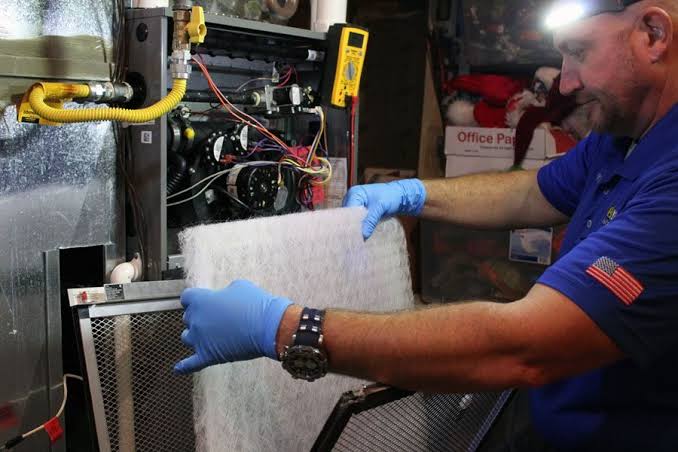
    An air handler is the indoor part of many HVAC systems. Depending on the equipment, it can contain a blower motor, evaporator coil, filter, electrical controls, and other components.

    Its primary job is to move air through the system and into the rooms of the home.

    That sounds straightforward, but consistent airflow is essential. If air can’t move freely, heating and cooling equipment has to work harder to maintain the desired temperature.

    That’s why an air handler shouldn’t be treated as an afterthought when you’re thinking about HVAC performance.

    Why Air Handler Maintenance Shouldn’t Be Ignored

    Routine air handler maintenance can help keep the indoor unit operating properly and give technicians an opportunity to spot developing problems.

    During professional maintenance, a technician may inspect the blower motor, electrical connections, coils, drain system, filter condition, and overall airflow. The exact process depends on the equipment and manufacturer’s recommendations.

    Maintenance doesn’t guarantee that a system will never break down. Nothing mechanical comes with that promise.

    What it can do is reduce the chances of small issues being overlooked for months until they become much more expensive.

    When Heating and Cooling Starts Becoming Inefficient

    Have you noticed that your HVAC system seems to run constantly but the house still doesn’t feel comfortable?

    That could be a sign of inefficient heating and cooling.

    There are several possible causes. A dirty filter can restrict airflow. A blower motor may be struggling. Ductwork might have leaks. Coils may need cleaning. The thermostat could be inaccurate. Insulation problems can also make the HVAC system work harder than necessary.

    In other words, don’t automatically assume that an old air conditioner is the only explanation.

    A professional inspection can help determine whether the problem is with the air handler, the outdoor equipment, the ductwork, or the building itself.

    Poor Airflow Can Affect the Whole House

    Airflow problems are often easy to notice.

    One bedroom may feel comfortable while another remains warm. A room at the end of the ductwork might receive very little air. The system may seem louder than it used to be.

    These issues can sometimes be traced back to restrictions in the air handler or duct system.

    Blocked vents and dirty filters are simple examples. More complicated problems may involve blower components, duct design, dampers, or other parts of the HVAC system.

    Don’t close multiple vents in an attempt to force more air into another room. That can sometimes create additional pressure problems. It’s better to have the system evaluated properly.

    Your Air Quality Is Connected, Too

    Temperature isn’t the only thing an HVAC system influences.

    The condition of filters, coils, ducts, and other indoor components can affect poor indoor air quality, especially when dust and airborne particles aren’t being managed effectively.

    Indoor air can contain dust, pet dander, pollen, odors, and other particles. Homes with pets, smokers, frequent cooking, or high outdoor pollution may experience additional indoor air challenges.

    A clean, properly maintained HVAC system can support better airflow and filtration, although HVAC maintenance alone isn’t a complete solution for every indoor air quality concern.

    Ventilation, humidity control, appropriate filtration, and regular cleaning may also be important.

    Don’t Forget About the Condensate Drain

    Air handlers used for cooling often produce condensation. That moisture needs somewhere to go.

    A blocked condensate drain can cause water to collect around the indoor unit. Besides creating a mess, persistent moisture may contribute to unpleasant odors or property damage.

    If you see water near the air handler, don’t simply mop it up and move on.

    There could be a clogged drain, a drainage design issue, or another problem that needs attention.

    Simple Things Homeowners Can Do

    You don’t need to be an HVAC technician to help your air handler perform well.

    Start with the basics.

    Check the air filter regularly and replace it according to the manufacturer’s recommendations. Keep supply and return vents clear of furniture, curtains, and other obstructions. Make sure the area around the indoor equipment is reasonably clean and accessible.

    Pay attention to changes in system behavior, too.

    If airflow suddenly becomes weak or the system starts making unusual noises, that’s useful information. The sooner you notice a change, the sooner it can be investigated.

    When Professional Service Is Necessary

    Some HVAC maintenance tasks are straightforward. Others definitely aren’t.

    Electrical components, blower motors, refrigerant-related equipment, and internal mechanical parts should be handled by trained professionals.

    Trying to repair an air handler without the right knowledge or tools can cause additional damage and may create safety hazards.

    A qualified technician can inspect the equipment, identify the likely cause of the problem, and explain whether cleaning, repair, maintenance, or replacement makes the most sense.

    Don’t Wait for a Complete Breakdown

    The biggest mistake homeowners make with HVAC equipment is often waiting until it stops working completely.

    If the system is noisy, airflow is poor, energy bills are climbing, or some rooms aren’t comfortable anymore, those are reasons to pay attention.

    You don’t necessarily need a new system. Sometimes a relatively simple repair or maintenance visit can restore performance.

    And if replacement eventually becomes necessary, knowing the system’s condition early gives you time to plan rather than making an expensive decision in the middle of a heat wave.

    A Little Maintenance Can Make Home Comfort Easier

    The air handler works quietly behind the scenes, but its condition can affect comfort, airflow, efficiency, and the overall indoor environment.

    Regular inspections, clean filters, clear vents, and timely professional service can help keep the system running the way it should.

    Most importantly, listen to what your home is telling you. Uneven temperatures, weak airflow, strange noises, or unexpected moisture aren’t things you have to simply live with.

    Sometimes the solution is surprisingly simple. You just have to catch the problem before it becomes a bigger one.