Clean water is something most people expect to have readily available. We turn on a tap, fill a glass, wash vegetables, or take a shower without giving much thought to what happens before the water reaches our homes. Yet water quality can vary considerably depending on the local supply, plumbing infrastructure, environmental conditions, and the source itself. In some places, the main concern may be hard water. In others, it could be sediment, unpleasant taste, bacteria, or naturally occurring minerals.
That’s why reliable water treatment services have become an important part of maintaining a healthy, comfortable, and dependable water supply. Whether a household is located in a busy city neighborhood or a quiet countryside setting, the right treatment approach can help address water concerns before they become costly or disruptive.
Why Water Quality Can Differ From One Location to Another
Water does not have the same characteristics everywhere. Municipal water supplies are generally treated before distribution, but the final quality can still be affected by aging pipes, storage tanks, or local plumbing. In addition, treatment methods used by a city may not remove every issue that matters to a particular household.
Private wells and other independent water sources can present a different set of challenges. Their quality may be influenced by soil, agricultural activity, nearby septic systems, seasonal changes, and the surrounding geology. Even when water looks clear, it may contain dissolved minerals or contaminants that aren’t visible to the naked eye.
This is why assumptions can be misleading. Water that tastes fine may still need testing, while water with a strange taste may simply have a high mineral content rather than a serious contamination issue. Testing gives homeowners a clearer starting point.
Common Water Problems in Residential Properties
One of the most common concerns is hard water. Hard water contains elevated levels of minerals such as calcium and magnesium. Although it is not usually considered a direct health threat, it can leave scale on faucets, showerheads, appliances, and plumbing fixtures. Over time, mineral buildup may reduce efficiency and shorten the working life of water heaters and other equipment.
Another frequent issue is sediment. Sand, silt, rust, and other particles can enter a water system through the source or plumbing network. Sediment may create cloudy water, stain fixtures, clog filters, and interfere with appliances.
Some households also notice chlorine taste or odor in treated municipal water. Chlorine is widely used to disinfect public water supplies, but its presence can affect the drinking experience. Carbon filtration systems are often used to improve taste and odor.
Depending on the location, water may also contain iron, manganese, sulfur-related odors, or other naturally occurring substances. In private wells, testing is especially important because the appropriate treatment system depends on the specific issue rather than a general assumption.
Understanding the Needs of Urban Households
Urban homes often receive water from a centralized municipal system. This provides several advantages, including regular monitoring and large-scale treatment. However, city water can still develop quality concerns as it travels through distribution lines and household plumbing.
Residents may experience hard water, chlorine taste, sediment from older pipes, or pressure-related problems. Apartment buildings and older properties may have additional concerns because water passes through shared plumbing systems before reaching individual units.
The cities we serve may have different water sources, infrastructure conditions, and local treatment practices. As a result, a solution that works well in one neighborhood may not be the right choice for another. A proper water assessment can help identify whether a household needs a point-of-use filter, a whole-home filtration system, a water softener, or a combination of treatments.
For example, a family mainly concerned about drinking water may benefit from an under-sink reverse osmosis system. A household dealing with scale throughout the home may need a water softener instead. Choosing equipment based on the actual problem is more practical than installing the most expensive system available.
Water Treatment Considerations for Rural Properties
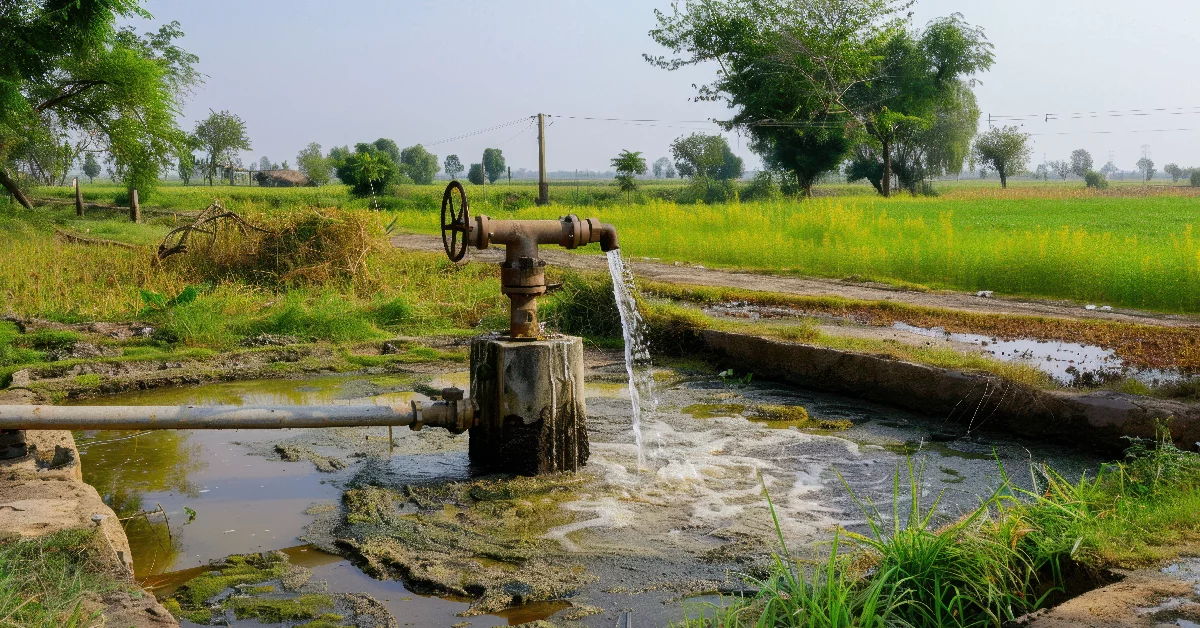
Rural properties often rely on private wells, cisterns, or other independent water sources. These systems give homeowners more control over their supply, but they also come with added responsibility. Unlike municipal water, private well water is not automatically monitored by a public utility on a continuous basis.
People living in rural areas should consider regular water testing, particularly after flooding, heavy rainfall, nearby construction, or changes in taste, color, or odor. Testing may include checks for bacteria, nitrates, minerals, metals, and other substances based on the property’s location and history.
Well water problems can vary widely. One property may have excessive iron that causes orange staining, while another may experience sulfur odors or sediment. Some homes may need filtration, softening, ultraviolet disinfection, or specialized treatment. There is no universal system that solves every well-water concern.
Maintenance is equally important. Filters need to be replaced, tanks may require servicing, and disinfection equipment must be checked to ensure it continues working properly. A treatment system that is neglected can become less effective, even if it was correctly installed.
Selecting the Right Treatment System
The best water treatment system begins with understanding the water source and the household’s goals. Homeowners should consider whether the main concern affects drinking water, bathing, laundry, appliances, or the entire property.
A whole-home filtration system treats water as it enters the house, making it useful when several outlets experience the same problem. Point-of-use systems, such as countertop or under-sink filters, focus on selected taps and can be suitable for drinking and cooking.
Water softeners are designed primarily to reduce hardness minerals. Reverse osmosis systems can address certain dissolved substances and are commonly used for drinking water. Ultraviolet systems may be considered when microbiological concerns are present, especially in private water supplies.
It is important to remember that not every system is necessary for every home. Installing equipment without testing can lead to unnecessary expense, complicated maintenance, or disappointing results. A professional evaluation can help match the treatment method to the actual water conditions.
The Importance of Professional Installation and Maintenance
Even a high-quality treatment unit may not perform properly if it is installed incorrectly. Water flow, pressure, drainage, electrical requirements, and available space all need to be considered. Professional installation can also help prevent leaks and ensure that the system is connected safely to the existing plumbing.
Maintenance should be viewed as part of the system rather than an optional extra. Filters become less effective when they are overdue for replacement. Salt-based softeners require appropriate salt levels and periodic cleaning. Reverse osmosis systems need filter and membrane changes according to usage and manufacturer recommendations.
Homeowners should also keep records of water tests, repairs, filter replacements, and service visits. These details make it easier to notice changes and plan future maintenance before a small issue becomes a major inconvenience.
A Long-Term Approach to Better Water
Water treatment is not simply about purchasing equipment. It is about understanding the source, identifying real concerns, and choosing a solution that fits the property and the people living there. Urban homes may need help addressing municipal water taste, scale, or plumbing-related sediment. Rural households may require more regular testing and specialized treatment because they depend on private sources.
The most sensible approach is to begin with reliable information. Test the water, discuss the results with a qualified professional, and consider the long-term cost of installation, operation, and maintenance. With thoughtful planning, households can enjoy cleaner, more pleasant water while protecting plumbing, appliances, and everyday routines for years to come.