For many homeowners, having a private water source feels like a practical advantage. There’s a certain peace of mind in knowing where your water comes from, especially when you live outside city limits or in an area where municipal water isn’t available. But water from the ground isn’t automatically clean just because it looks clear.…
For many homeowners, having a private water source feels like a practical advantage. There’s a certain peace of mind in knowing where your water comes from, especially when you live outside city limits or in an area where municipal water isn’t available. But water from the ground isn’t automatically clean just because it looks clear. It can contain minerals, sediment, naturally occurring contaminants, or substances that affect its taste, smell, and overall quality.
Understanding what’s in your water is the first step toward making better decisions about filtration. And fortunately, improving water quality doesn’t have to mean installing a complicated system without knowing what you actually need.
What Makes Well Water Different?
Unlike municipal water supplies, which are generally treated and monitored by public water utilities, groundwater from a residential well depends heavily on local geology, soil conditions, nearby land use, and the depth of the well. Water may travel through rocks and soil before reaching the household supply, picking up minerals and other substances along the way.
Some homes experience hard water because of calcium and magnesium. Others may notice a metallic taste, reddish stains around sinks, cloudy water, or an unpleasant sulfur-like smell. These problems aren’t necessarily present in every household, even when neighboring properties have similar wells.
That’s why private wells require a more individualized approach. Two wells located only a short distance apart can have noticeably different water characteristics. A solution that works perfectly for one property might be unnecessary or ineffective for another.
Why Testing Your Water Matters
It’s tempting to judge water quality by appearance alone. Clear water seems clean, and water that tastes fine often feels safe enough to drink. Unfortunately, certain contaminants cannot be detected by taste, smell, or color.
Regular laboratory testing can help identify bacteria, nitrates, arsenic, iron, manganese, hardness, pH, and other concerns depending on local conditions. The appropriate testing panel will vary based on the property’s location and potential sources of contamination.
A water test provides something much more useful than guesswork. It tells homeowners which problems need attention and helps determine whether filtration, disinfection, softening, or another treatment method is appropriate.
Testing is particularly important after flooding, repairs to a well, changes in water quality, or nearby land-use changes that could affect groundwater. It’s also wise to follow local health recommendations for routine testing.
Choosing the Right Filtration System
Once the water has been tested, choosing treatment becomes easier. Not every home needs the same equipment, and installing multiple filters without a clear purpose can increase maintenance costs without delivering meaningful improvements.
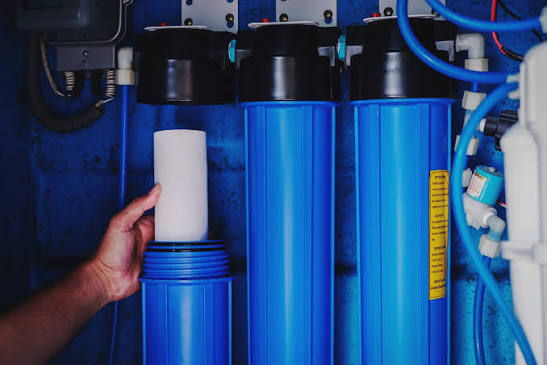
For example, sediment filters can capture sand, dirt, and suspended particles. Activated carbon filters may reduce chlorine, certain odors, and selected organic compounds, depending on their design and certification. Water softeners address hardness minerals, while reverse osmosis systems can reduce various dissolved substances when properly selected and installed.
Effective well water treatment starts by matching the technology to the water quality report. If the water contains excessive iron, a dedicated iron treatment system may be required. If bacterial contamination is identified, filtration alone may not be enough, and appropriate disinfection, such as ultraviolet treatment, may be recommended.
The goal isn’t to make the plumbing room look impressive with a collection of equipment. It’s to solve the actual water problems in a reliable, manageable way.
Whole-House Protection or Drinking Water Filtration?
Homeowners often have to decide whether to treat water entering the entire property or focus on drinking and cooking water. Both approaches have their place.
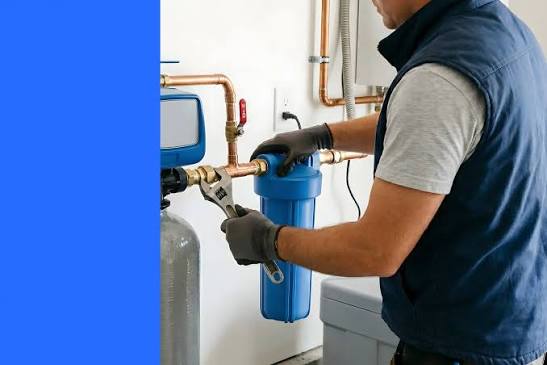
Whole-house systems are installed where water enters the home and can address issues affecting showers, laundry, faucets, and appliances. They’re especially useful when sediment, hardness, iron, or other concerns affect the entire water supply.
Point-of-use systems, such as under-sink reverse osmosis units, are designed for specific locations. They can provide additional treatment for drinking and cooking water without treating every gallon used for bathing or cleaning.
A properly designed private well water filtration setup may combine both approaches. For instance, sediment filtration and iron treatment could be installed at the main entry point, while a drinking water system is placed in the kitchen. The right combination depends on the test results, household usage, available space, and budget.
Maintaining Your Water System Over Time
Even a well-designed filtration system needs attention. Filters become clogged, UV lamps eventually require replacement, softeners need salt, and treatment equipment may need periodic cleaning or adjustment.
Keeping track of service dates is surprisingly helpful. A simple maintenance record can prevent missed filter changes and make it easier to identify recurring problems. Homeowners should also pay attention to changes in water pressure, unusual noises, discoloration, or a return of previously resolved odors.
Professional inspections can help confirm that equipment is working as intended, particularly when treatment involves multiple stages or specialized components.
Conclusion
Groundwater can be a dependable source of household water, but maintaining its quality takes awareness and the right equipment. Testing first, choosing treatment based on actual findings, and maintaining the system regularly are far more effective than relying on assumptions.
With a little planning and the right filtration strategy, homeowners can protect their water supply, reduce common water problems, and feel more confident about the water they use every day.